Understanding Keyword Research

Keyword research is an essential aspect of Search Engine Optimization (SEO) that involves identifying the terms and phrases potential customers use to find products or services relevant to your business. By understanding these keywords, businesses can enhance their visibility on search engines and drive qualified traffic to their websites. The foundation of an effective SEO strategy lies in conducting thorough keyword research to align web content with user intent.
To begin, a variety of online tools can assist in discovering relevant keywords. For instance, Google Keyword Planner allows users to explore keyword variations and check their search volumes. Other tools, such as SEMrush and Ahrefs, offer comprehensive insights into how competitors leverage specific keywords, which can inform your own strategy. Analyzing competitors provides a clearer understanding of the competitive landscape, revealing gaps and opportunities for your own website.
Another critical component of keyword research is the focus on long-tail keywords. These are typically three or more words long and may have lower search volumes but tend to attract highly targeted traffic. For example, rather than targeting a broad term like “shopify,” a more specific long-tail keyword such as “best shopify themes for fashion stores” can effectively reach users who are further along in the buying process.
Understanding search intent is equally important; this refers to the goal behind a user’s query. By categorizing keywords based on intent—whether informational, navigational, or transactional—businesses can prioritize keywords that resonate with their target audience. Ultimately, the aim is to create a prioritized list of keywords that not only reflects user intent but also aligns with the business’s goals, facilitating improved SEO performance.
On-Page Optimization Techniques
On-page optimization is a fundamental aspect of search engine optimization (SEO) that involves enhancing individual web pages to improve their rankings in search results. This can be achieved through various techniques that focus on optimizing key elements of a webpage. One of the crucial components is the title tag, which should compellingly summarize the content while incorporating primary keywords, including “Shopify” when relevant. Title tags should be concise, ideally between 50-60 characters, to ensure visibility in search engine results pages (SERPs).
Another important element is the meta description, which provides a brief overview of a webpage’s content. An effective meta description should be succinct, ideally 150-160 characters long, and should include relevant keywords to entice users to click on the link. It acts as a marketing proposition for the page and should clearly communicate the unique value it offers.
Header tags (H1, H2, H3) also play a significant role in on-page optimization. The H1 tag typically denotes the main title of the page and should include the primary keyword. Subsequent headings (H2, H3) should help organize content and include related keywords or synonyms to enhance relevance. This structure not only aids in readability but also helps search engines understand the content hierarchy.
Image alt tags are vital for optimizing visuals and improving accessibility. These tags describe an image using relevant keywords, which can aid search engines in indexing the images correctly, thus helping to drive additional traffic through image searches. Ensuring high-quality content that naturally incorporates keywords while maintaining reader engagement is paramount. Furthermore, optimizing for user experience entails making the site mobile-friendly and ensuring fast loading times. These technical aspects are now critical SEO factors that significantly affect overall site visibility and user retention.
Effective Link-Building Strategies

Link-building is an essential component of any successful SEO strategy designed to enhance website visibility on search engines. It significantly contributes to improving a site’s authority and search engine ranking by signaling to search engines that a website is a credible source of information. There are two primary types of links to consider: internal links, which connect different pages within the same website, and external links, which direct users to or from third-party websites. Each type plays a crucial role in optimizing your Shopify store’s presence online.
Acquiring high-quality backlinks should be a strategic endeavor. One effective method is guest blogging, where you write informative content for another blog in exchange for a link back to your site. This not only helps you earn valuable backlinks but also allows you to expose your brand to a new audience. Additionally, partnerships with other businesses can create opportunities for mutual link-sharing, leading to increased traffic and visibility. Conducting outreach campaigns is another powerful strategy; reach out to relevant websites or influencers in your niche and propose valuable collaborations that can include link placements.
Creating shareable content is essential for attracting natural links. Focus on producing distinct and informative articles, infographics, or videos that resonate with your target audience. The more engaging the content, the higher the likelihood that others will cite your work, which organically boosts your link profile. It is also important to comply with search engine guidelines when engaging in link-building practices. Avoid tactics such as link farms and paid links, as these can lead to penalties from search engines.
Implementing these effective link-building strategies can significantly elevate your Shopify store’s authority, ultimately enhancing its visibility in search engine results. By focusing on high-quality links and valuable content, you can build a robust online presence.
Monitoring and Refining Your SEO Strategy
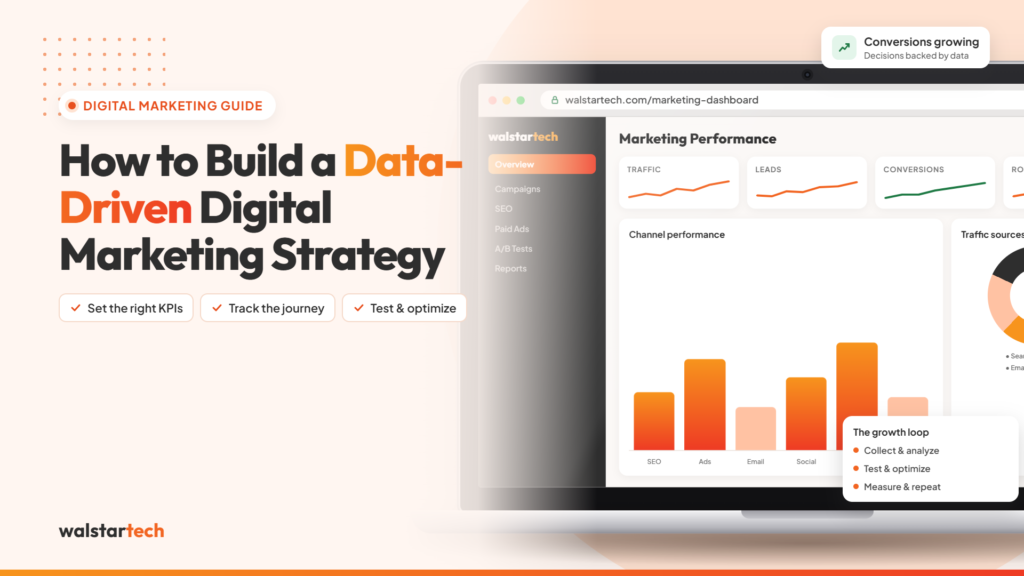
To achieve sustained visibility on search engines, businesses must adopt a proactive approach to monitoring and refining their SEO strategies. This involves utilizing analytics tools that provide insights into various performance metrics. Google Analytics, for instance, is an essential tool for tracking organic traffic, bounce rates, and user behavior, enabling businesses to understand how well their content is resonating with visitors.
One of the key metrics to focus on is organic traffic, which indicates the number of visitors arriving at your website through search results without paid advertisements. An increase in organic traffic is often a sign that your advanced SEO strategies are working effectively. Conversely, if there is a decline, it may necessitate a deeper examination of your website’s content and SEO practices. Additionally, monitoring bounce rates is crucial; high bounce rates can indicate that visitors are not finding what they expect, leading to a re-evaluation of your website’s user experience and content quality.
Understanding and interpreting data from these tools will inform necessary adjustments in your strategies. An effective practice is to set specific goals and KPIs (Key Performance Indicators) that align with your overall business objectives. For instance, if your focus is to increase conversions, you might analyze data surrounding your conversion paths and identify any obstacles within the user journey.
Furthermore, staying abreast of algorithm changes and industry trends is critical. Search engine algorithms frequently update, which can impact how your website ranks. By keeping informed about these changes, a business can adjust its SEO tactics accordingly, ensuring they remain competitive. Developing a mindset of continuous optimization and adaptation based on analytical insights will ultimately lead to an empowered and results-driven approach to SEO.