
What is ERP?
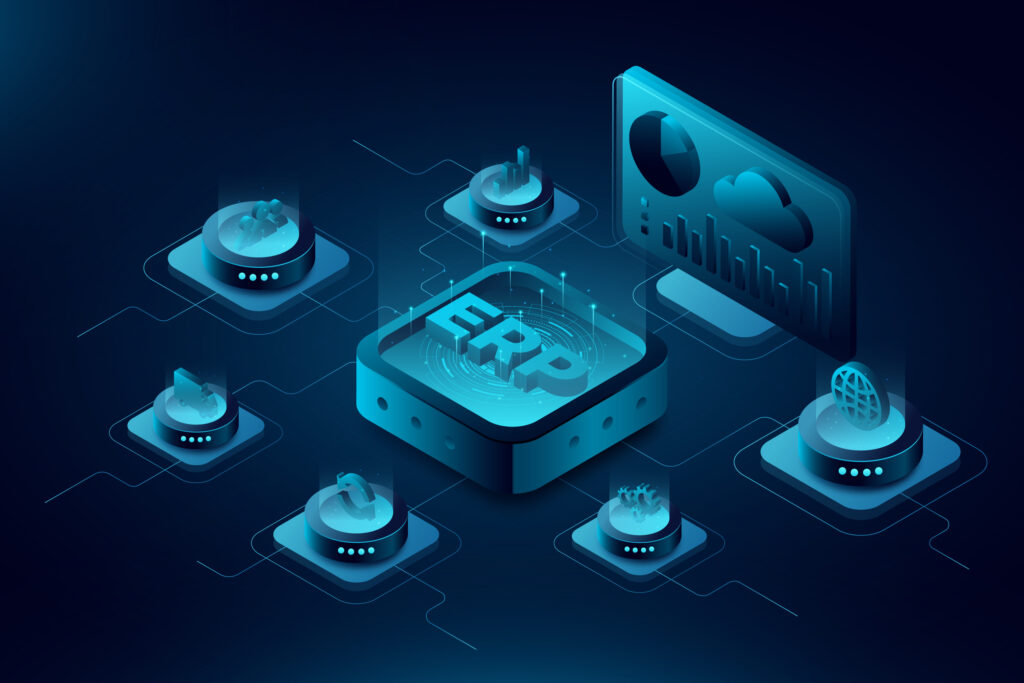
Enterprise Resource Planning (ERP) systems integrate core business processes into a single platform, allowing companies to manage operations efficiently. From finance and HR to inventory and supply chain, ERP centralizes data, automates processes, and provides actionable insights.
Key Benefits of ERP Systems
- Centralized Management: ERP brings all departments into a unified platform, improving collaboration and reducing data silos.
- Process Automation: Repetitive tasks such as invoicing, payroll, and inventory updates are automated, saving time and minimizing errors.
- Data-Driven Decisions: With real-time dashboards and reports, managers can make informed decisions to drive growth.
- Scalability: ERP systems grow with your business, supporting multiple locations, currencies, and complex operations.
ERP Implementation Tips
- Assess business needs and define goals before selecting an ERP system.
- Train staff thoroughly to ensure smooth adoption.
- Regularly update and maintain the system to avoid disruptions.
- Integrate with other software like CRM, e-commerce, and marketing tools.
Conclusion
ERP systems are vital for businesses seeking efficiency, scalability, and competitive advantage. By centralizing operations and automating processes, organizations can focus on growth, customer satisfaction, and long-term success.
